Understanding the Importance of Notduschen in Industrial Environments
In industrial settings, the presence of safety measures is not just a regulatory requirement; it is a fundamental component of workplace safety culture. One critical element of this safety infrastructure is the Notdusche, or emergency shower, designed to provide immediate decontamination in case of hazardous exposure. Proper implementation and maintenance of these safety devices are essential for protecting workers when accidents occur. When exploring options, Notdusche für Industrie kaufen provides comprehensive insights into various models available in the market, ensuring that industries can make informed purchasing decisions that prioritize safety.
What is a Notdusche and Its Purpose?
A Notdusche is specifically engineered for emergency situations involving exposure to harmful substances, such as chemicals or extreme temperatures. The primary purpose of a Notdusche is to provide immediate access to water for decontamination, thereby reducing the risk of severe injuries. In many industries, such as chemical manufacturing, laboratories, and metal working, the availability of a Notdusche is not just advisable; it is mandated by safety regulations. The functionality of a Notdusche typically includes a steady flow of water at a controlled temperature, ensuring that the user can achieve maximum decontamination without additional risks.
Key Regulations Governing Notduschen Compliance
Regulatory bodies, such as OSHA in the United States and the European Agency for Safety and Health at Work, set forth stringent guidelines governing the installation and maintenance of Notduschen. For instance, standards like ANSI Z358.1 outline the specifications for safety showers and eyewash stations, detailing flow rates, temperature requirements, and placement in relation to potential hazards. Companies must ensure compliance through regular inspections and documentation to avoid penalties while safeguarding employee health.
Common Misconceptions About Safety Showers
Despite their critical role, Notduschen are often misunderstood. Common misconceptions include the belief that one can substitute a regular shower or sink for a Notdusche or that maintenance is not a priority if the device appears functional. It is essential to recognize that Notduschen must meet specific operational standards and be subject to regular checks to ensure they function correctly during an emergency. Neglecting regular maintenance can lead to catastrophic failures when they are needed the most.
Factors to Consider When Choosing a Notdusche
Selecting the right Notdusche is a vital step toward maintaining a safe workplace. There are numerous factors that companies need to consider before making a purchase decision.
Environmental Conditions Impacting Notduschen Selection
Different industrial environments may have varying conditions that affect the choice of Notdusche. For instance, locations exposed to extreme temperatures may require heated or cooled units to ensure water remains within a safe and effective temperature range. Moreover, the potential for exposure to corrosive substances necessitates choosing materials that can withstand long-term exposure without degrading.
Assessing Individual Needs for Customized Solutions
Each organization may face unique safety challenges. Custom solutions might include Notduschen designed for specific use cases, such as mobile units for outdoor jobsites or those integrated with additional safety features like alarms and illumination. By conducting a thorough needs assessment, companies can select or design a Notdusche that best meets their specific challenges.
Evaluating the Durability and Material Quality
The materials used in the construction of a Notdusche significantly impact its longevity and reliability. High-quality stainless steel and reinforced plastics are common choices, as these materials resist corrosion and maintain integrity in harsh environments. Investing in durable materials can result in lower long-term maintenance costs and higher reliability when it's most critical.
Best Practices for Installation and Maintenance
Proper installation and ongoing maintenance are crucial for ensuring that Notduschen remain effective and compliant with safety standards.
Step-by-Step Installation Guide for Notduschen
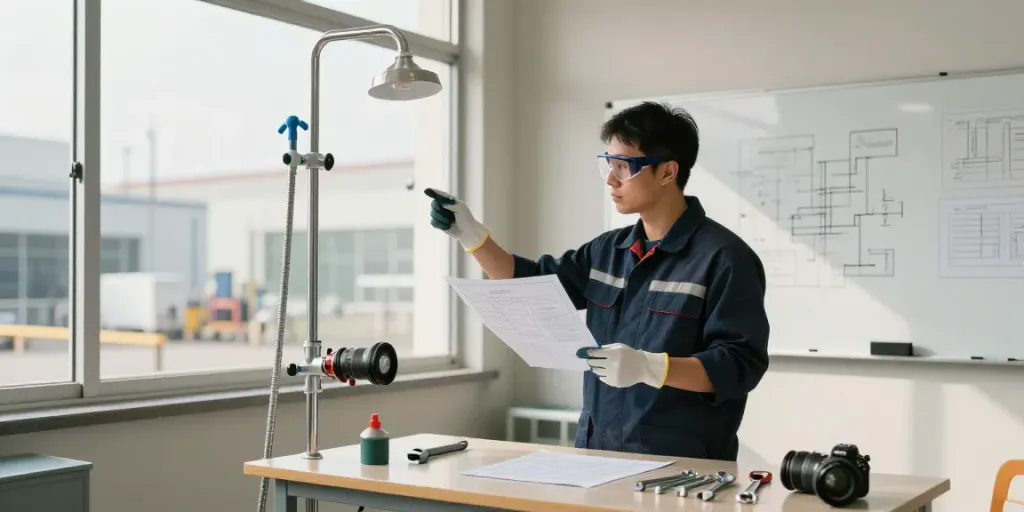
When installing a Notdusche, it is essential to follow a systematic approach:1. Choose the right location: The Notdusche should be easily accessible within 10 seconds from any hazardous area.2. Follow the regulations: Adhere to all relevant safety codes and standards during installation.3. Ensure adequate water supply: The unit must have a reliable connection to a water source capable of delivering the required flow rate.4. Test functionality: Conduct a test run to confirm that the shower meets flow rate and temperature requirements.
Routine Maintenance and Compliance Checks
Routine maintenance of Notduschen is vital for ensuring they function during emergencies. A standard maintenance schedule should include:- Monthly checks to verify water flow and temperature- Annual inspections by certified professionals to ensure compliance with applicable standards- Documentation of all maintenance activities to provide a clear record for compliance audits.
Integrating Training for Safe Usage
Training is critical for ensuring that employees know how to use Notduschen effectively. Regular safety drills should include practical lessons on operating the Notdusche, emphasizing the importance of immediate decontamination in emergencies. Employees must feel comfortable and confident using these safety devices to maximize their effectiveness.
Evaluating the Performance of Notduschen Systems
After installation, assessing the performance of Notduschen should be an ongoing priority to ensure they meet safety and operational standards.
Key Performance Indicators for Safety Showers
Key performance indicators (KPIs) for Notduschen systems should include:- Flow rate consistency- Temperature stability within safe ranges- Response times during drills and real emergencies- User feedback on accessibility and usability.
Feedback Mechanisms for Users and Compliance Auditors
Creating a culture of safety involves establishing feedback mechanisms where employees can report issues or suggest improvements. Regular feedback helps identify potential problems before they lead to failures, allowing for proactive adjustments.
Real-World Case Studies on Effectiveness
Examining real-world scenarios where Notduschen effectively mitigated injuries can provide valuable insights. For example, a chemical manufacturing plant that installed upgraded Notduschen saw a significant reduction in injury claims after conducting comprehensive training and maintenance, underscoring the importance of these safety measures in high-risk industries.
Future Trends in Industrial Safety Solutions for 2026
As industrial safety continues to evolve, several trends are emerging that will shape the future of Notduschen systems.
Emerging Technologies Enhancing Notduschen
Advancements in technology are leading to smarter Notduschen, equipped with features like remote monitoring and automated alerts when maintenance is due or when systems are underperforming. Integrated sensors might also be developed to monitor water quality and temperature, ensuring peak performance.
Predictions for Safety Standards and Regulations
Future predictions indicate stricter safety regulations may emerge, pushing companies to adopt more advanced safety measures. It is vital for organizations to stay updated with evolving standards to ensure compliance and protect their workforce.
Innovations in Safety Equipment and User Experience
New designs will likely incorporate user-friendly interfaces that guide individuals through the emergency usage process. Enhanced accessibility features, such as audible alarms and visual indicators, will improve overall usability and effectiveness.
What regulations apply to Notduschen?
Various regulations apply, primarily focusing on the safety and functionality of Notduschen. Compliance with standards like ANSI Z358.1 is essential for ensuring the systems are reliable and accessible during emergencies.
Why are Notduschen mandatory in laboratories?
In laboratories, Notduschen are mandatory due to the high risk of exposure to hazardous materials. Prompt decontamination is crucial to minimize injuries, making it necessary for organizations to provide adequately equipped emergency showers.
How often should Notduschen be inspected?
Best practices dictate that Notduschen should be inspected monthly for functionality and annually by certified professionals to ensure compliance with safety regulations.
What are the benefits of customized Notduschen?
Customized Notduschen can be tailored to meet specific environmental conditions and organizational needs, enhancing usability and effectiveness. These tailored solutions can provide flexibility and better protection for employees in unique workplace scenarios.
Where can I find quality Notduschen for purchase?
Quality Notduschen can be sourced from manufacturers specializing in industrial safety solutions, such as HANSEHANDEL, which offers a wide range of reliable safety equipment.